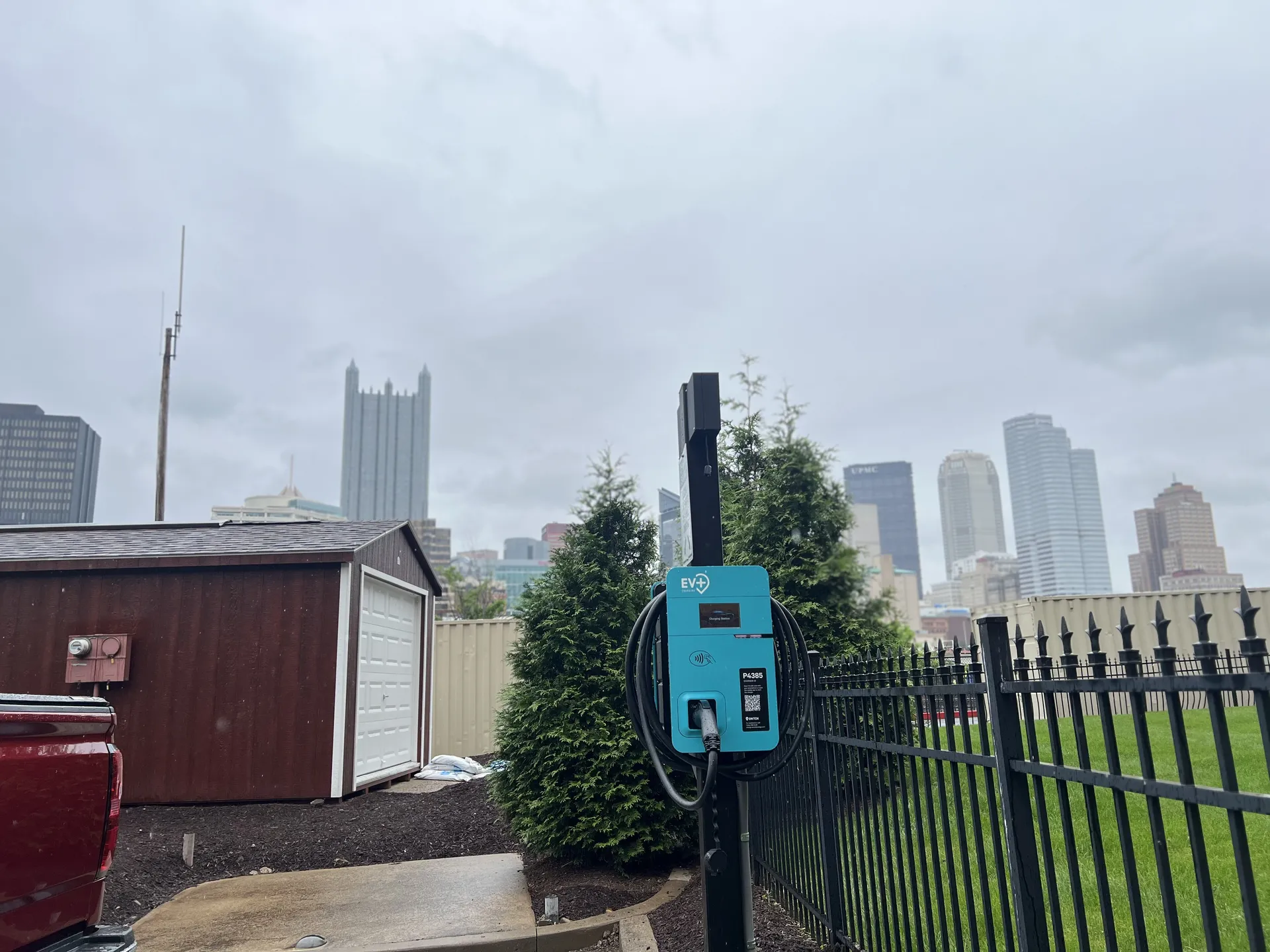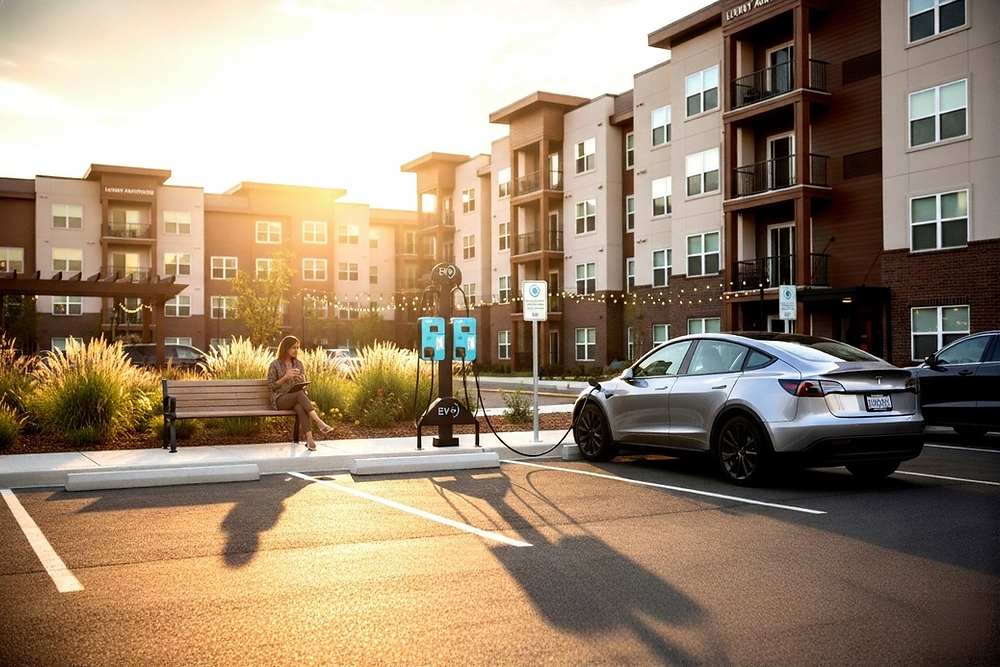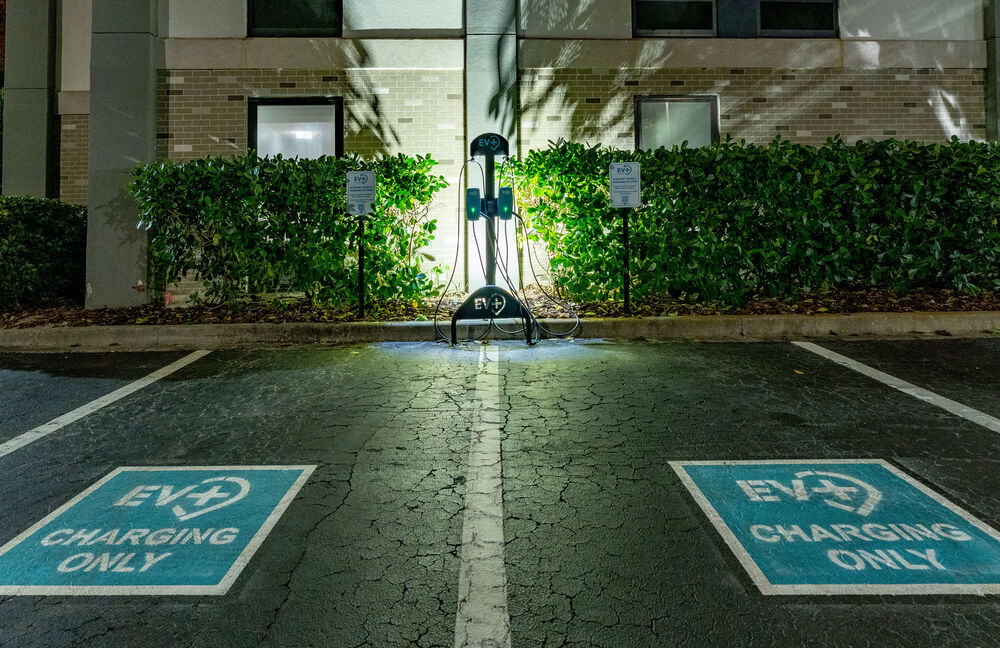
For commercial real estate -- multifamily housing, hospitality, offices, campuses, and portfolios -- the answer is more complex than simply choosing hardware. Commercial EV charging station installation depends on site power, trenching, panel and service upgrades, permitting, networking, software, maintenance, and long-term operations.
That is exactly why many owners are shifting toward turnkey, fully managed, zero CapEx models instead of funding and operating charging infrastructure themselves.
Why Commercial EV Charging Station Installation Varies So Much
There is no universal path for commercial EV charging station installation because every property starts from a different infrastructure baseline. A surface lot with available electrical capacity is very different from an older multifamily asset that needs service upgrades, long conduit runs, or utility coordination.
The biggest cost drivers usually include:
For commercial owners, the real issue is not just getting chargers in the ground. It is the total lifecycle cost of deployment and operations over time. EV+ specifically bundles design, permitting, installation, monitoring, maintenance, and operational support into a single managed offering to remove that friction entirely.
Commercial EV Charging Station Installation by Property Type
Multifamily Properties
For apartment and condo communities, commercial EV charging installation often depends on parking layout, existing electrical rooms, tenant access, and whether the owner wants to scale charging over time. Multifamily operators also have to think about billing, resident access, and future capacity, not just the first installation. EV+ frames charging in multifamily as a property amenity tied to rent premiums, retention, and NOI rather than a one-time equipment purchase.
Office Properties
Office EV charging projects often require balancing employee demand, visitor use, and ESG goals with practical questions about utilization and infrastructure readiness. Installation complexity can rise if the project includes load management, parking deck work, or future expansion planning. EV+ markets office charging around future-proofing workplaces with a fully managed model rather than asking owners to build and operate the system themselves.
Hospitality Properties
Hotels and hospitality assets often evaluate commercial EV charging in the context of guest experience, competitive differentiation, and incremental revenue. In these environments, reliability matters just as much as hardware price because a broken charger creates a guest issue, not just a maintenance issue. EV+ highlights hospitality case studies as part of its commercial charging approach, with an emphasis on managed operations.
Campuses and Portfolios
Campuses and multi-site owners face a different cost equation. The challenge is not just installing chargers at one property. It is deploying a consistent program across many sites while managing uptime, support, and capital allocation. EV+ addresses this directly by emphasizing zero upfront cost, centralized management, and measurable property-level impact.
The Hidden Costs Behind Commercial EV Charging Station Installation
A lot of articles about commercial EV charging station installation stop at equipment and electrician labor. For commercial properties, that misses the costs that usually create the biggest surprises.
Electrical Capacity Upgrades
If the site does not have enough available capacity, the project may require panel, switchgear, or transformer upgrades. These can significantly change the economics of the project.
Civil and Site Work
Bollards, signage, striping, trenching, saw-cutting, and concrete restoration often add more cost than owners initially expect.
Permitting and Compliance
Permitting timelines, inspections, and local code requirements can delay deployment and increase soft costs.
Software and Network Management
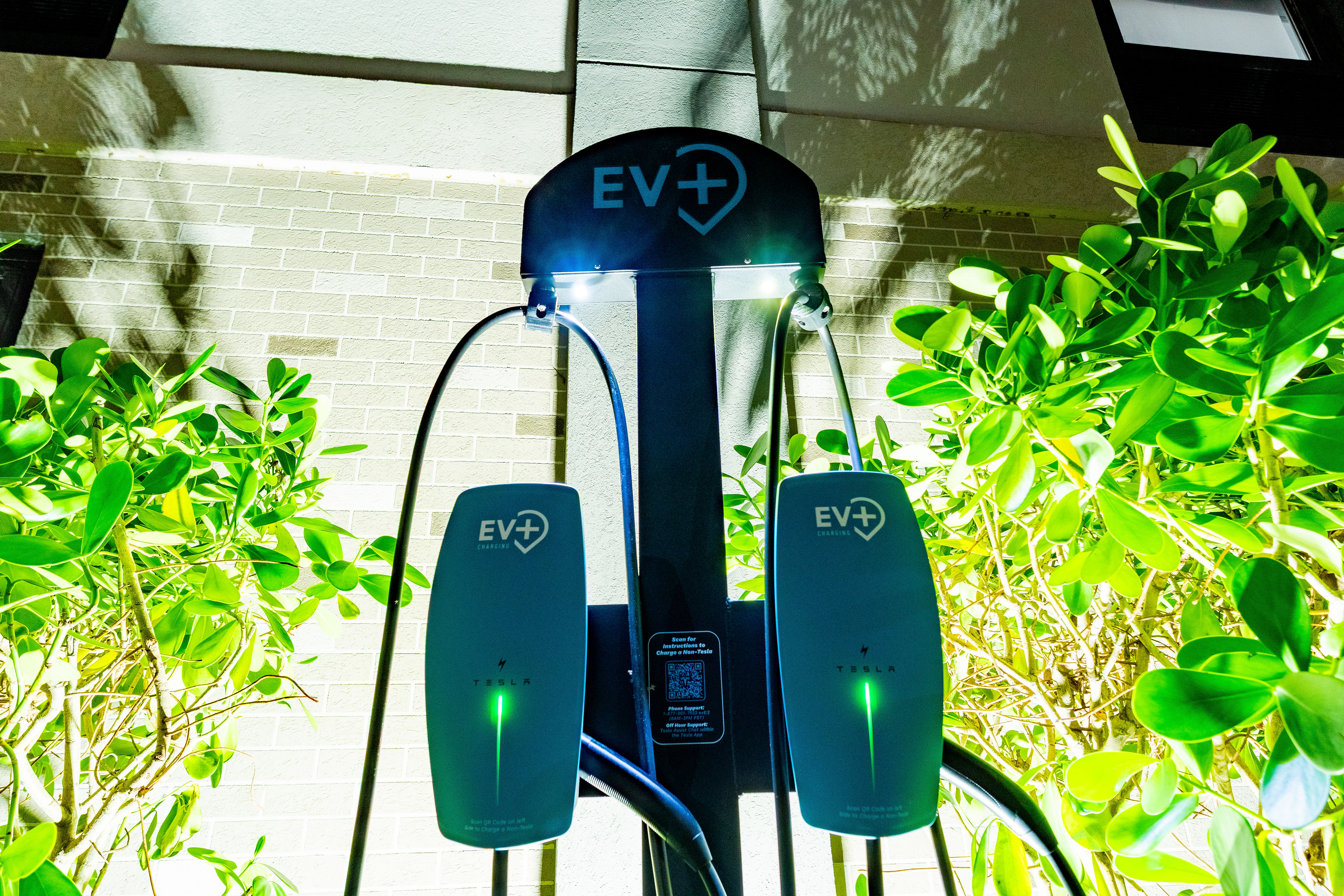
Commercial charging requires access controls, payments, data visibility, and remote monitoring. Those are operating requirements, not optional add-ons.
Maintenance and Driver Support
Once chargers are live, owners still need uptime management, issue resolution, and support for drivers. EV+ positions its platform around 24/7 operational support and ongoing management rather than a one-and-done install.
Why Cheap Installation Can Be Expensive Later
Choosing the lowest-cost installation path can look attractive up front, but it often creates long-term risk. If the design does not account for utilization, future expansion, uptime, or support, the property may end up paying again through retrofits, underused chargers, or service issues.
That is one reason managed charging models are gaining traction. EV+ describes its solution as a turnkey and fully managed charging ecosystem built around proven hardware, software, and operations, not just installation alone.
A Better Question to Ask
For commercial owners, the better question is often: how do we deploy commercial EV charging without absorbing major upfront cost, operational burden, and technology risk?
EV+'s answer is a zero CapEx model that covers design, permitting, installation, maintenance, and operational support, while aligning the charging program with tenant demand, guest experience, ESG goals, and NOI growth. That message appears consistently across all of EV+'s commercial, multifamily, office, and portfolio pages.
How Property Owners Should Evaluate EV Charging Costs
When comparing options, owners should look beyond the installation quote and evaluate the full picture:
Revenue, Operations, and the Business Case
Done well, commercial EV charging station installation can support more than sustainability goals. It can open new revenue streams and create recurring income from parking dwell time and premium amenities.
Features like access control, payment processing, and usage reporting determine how owners manage charging fees, user access, and operational visibility -- so they matter as much as the hardware itself.
As EV adoption accelerates, more tenants and guests expect convenient charging where they live, work, shop, and stay. For many property owners, that makes commercial EV charging station installation a strategic response to rising demand -- not just a sustainability checkbox.
Incentives, Utilities, and Local Requirements
A major factor in reducing upfront costs is understanding available support from utilities and government programs. In some markets, utilities offer rebates for qualifying commercial EV charging stations. Depending on the project, owners may also access federal or state tax credits -- though qualification depends on project structure and current program rules.
Owners should also factor in their relationship with the local power company. Service upgrades, transformer coordination, and timeline approvals can each affect the entire project schedule.
Experienced partners coordinate with utilities, engineers, and licensed electricians to manage the full process from design to activation. This reduces delays, sets accurate timeline expectations, and ensures the installation meets both performance goals and compliance requirements.
Common Questions About Commercial EV Charging Station Installation
How do installation costs compare across commercial properties?
Costs can differ substantially based on power availability, site design, and intended use. A simple Level 2 deployment in a surface lot may be far less involved than a project requiring DC fast charging, multiple charging clusters, or major infrastructure upgrades at older assets.
Are commercial EV charging stations only for retail or public sites?
Not at all. Commercial EV charging is being deployed across multifamily housing, hospitality, campuses, fleet facilities, office properties, and mixed-use developments. The right setup depends on the audience, dwell time, and whether the site serves residents, employees, guests, or passing drivers.
What equipment choices affect the project most?
The biggest variables are the number of chargers, the power level of the stations, desired charging speed, and whether the site needs Level 2 or DC fast chargers. Projects involving more advanced hardware typically require higher installation costs, more coordination, and more robust software.
How do owners control long-term charging costs?
Long-term success depends on more than the initial install. Owners should evaluate maintenance responsibility, support quality, uptime performance, payment processing, network software, and how their charging program fits into the property's broader operating strategy. A fully managed model can reduce risk tied to maintenance and utilization over time.
Why is commercial EV charging considered a strategic investment?
For many assets, commercial EV charging supports tenant attraction, operational resilience, ESG goals, and reduced carbon footprint. It can improve amenity value, strengthen retention, and position a property for continued growth as EV adoption rises across every major market.
Final Take on Commercial EV Charging Station Installation
If you own or manage commercial real estate, commercial EV charging station installation is not just a line item for hardware and labor. It is a broader infrastructure decision that affects capital planning, operations, tenant satisfaction, and asset value.
For many properties, the smartest path is not necessarily to buy and manage charging infrastructure outright. It is to work with a partner that can deliver a turnkey solution with zero upfront capital expense, full operational support, and a structure designed for long-term property performance. That is the category EV+ is already built to serve.
Whether the goal is to support residents, employees, guests, or shoppers, commercial EV charging station installation should be evaluated in the context of long-term operating value. The best projects align site design, user demand, and infrastructure readiness so that commercial EV charging stations become a durable amenity rather than a disconnected capital project.