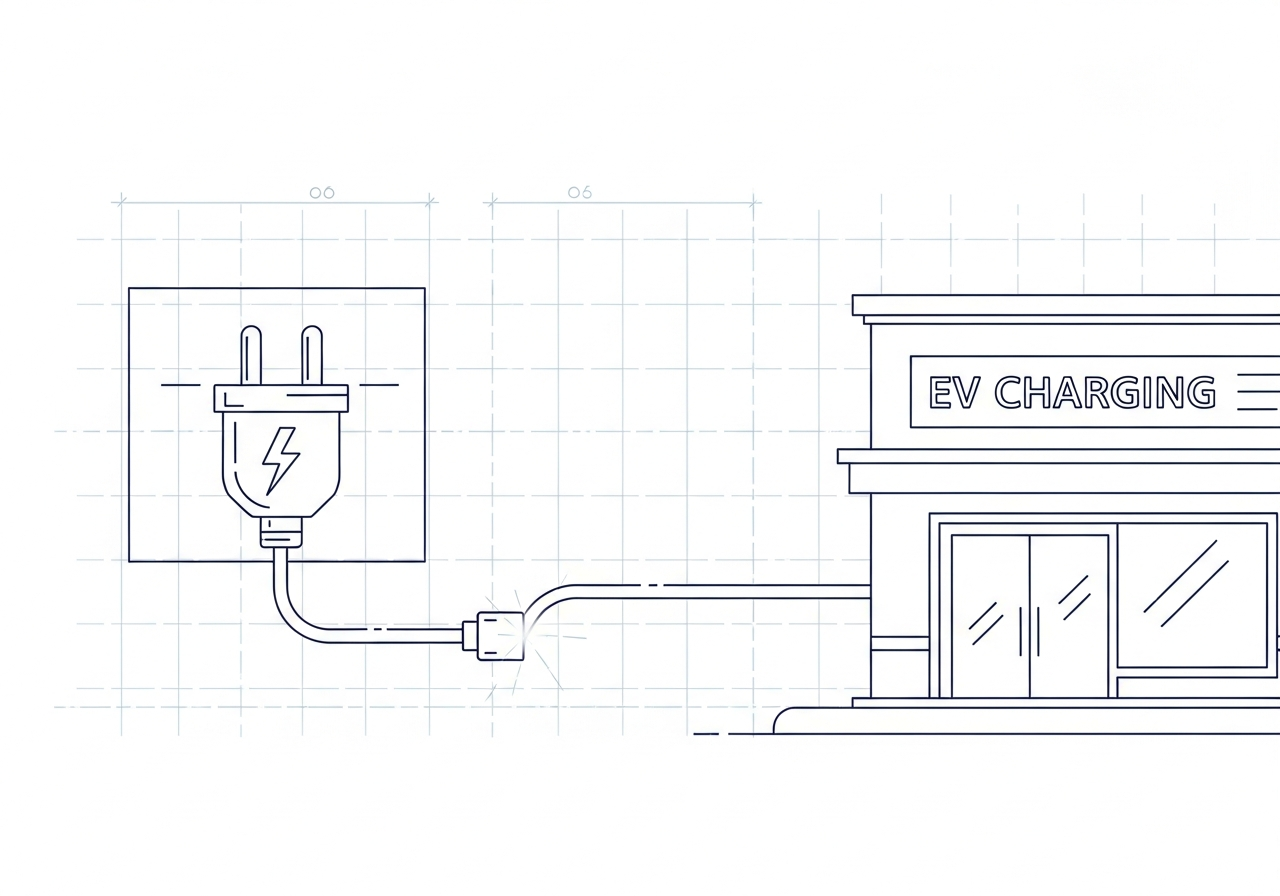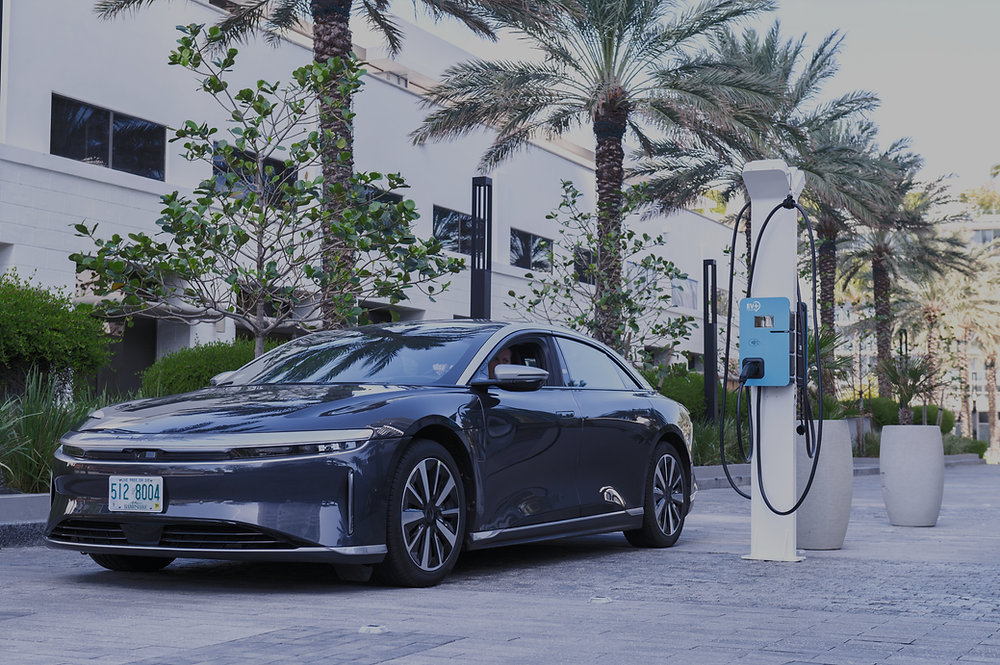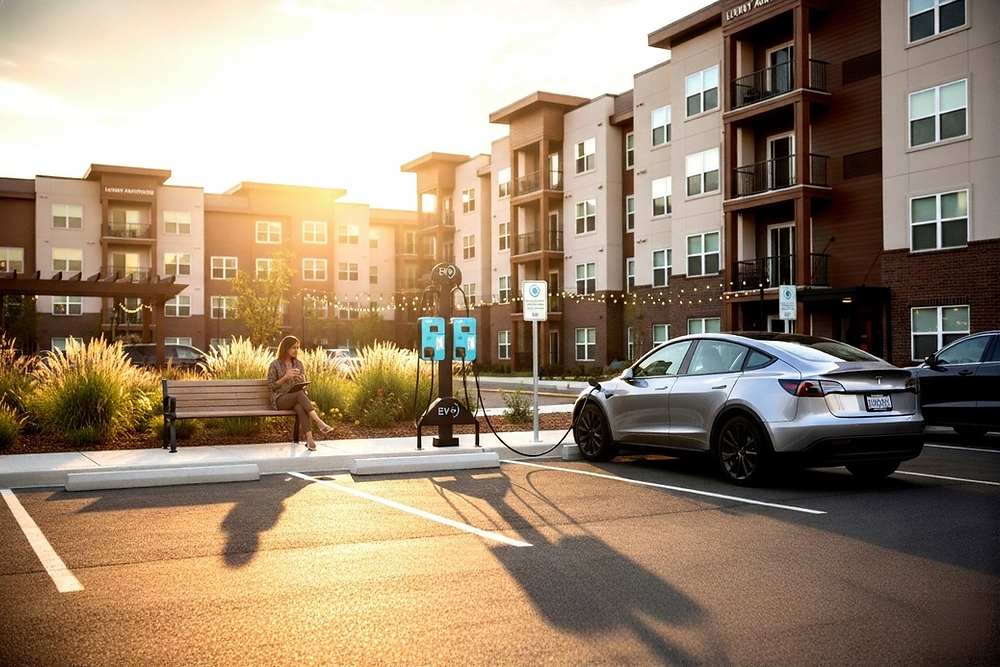
How can you install EV charging stations in your apartment complex? With EVs becoming increasingly popular, having EV charging for apartments is now essential. This guide will walk you through the strategies, benefits, and key considerations for setting up efficient EV charging infrastructure in multifamily buildings.
Key Takeaways
- 1The rising demand for electric vehicles necessitates that apartment complexes install EV charging stations to remain competitive and meet resident preferences.
- 2Installing EV charging infrastructure increases property value and tenant satisfaction, contributing to long-term investment returns.
- 3Key considerations for successful EV charger installation include assessing resident demand, evaluating electrical capacity, and strategically choosing between shared or private charging solutions.
01. Why EV Charging Is Essential for Apartment Complexes
The market is undeniably shifting towards electric vehicles, with predictions indicating that over 60% of vehicle sales in North America will be electric by 2035. As more Americans consider EVs for their next vehicle purchase, properties without EV charging stations will struggle to maintain competitiveness.
Multifamily properties that fail to install EV charging infrastructure may face significant competitive disadvantages in attracting and retaining residents. Additionally, the rise of the electric vehicle market will further emphasize the importance of robust charging infrastructure.
"Over 60% of renters find technology that encourages sustainable living essential, and many are willing to pay extra for properties that provide onsite EV charging options."
It's not just about staying competitive; it's about meeting resident demand. Providing EV charging in designated parking spaces is increasingly expected by tenants and may be required by evolving building codes.
The lack of public charging availability remains a top barrier for prospective EV buyers. Property owners who add EV charging stations gain a clear advantage in attracting eco-conscious tenants and future-proofing their investments.
Since the majority of EV charging takes place at home, access to charging in apartment parking spaces is now a core amenity -- not an optional extra.
02. Benefits of Installing EV Charging Stations
Installing EV charging stations offers multifaceted benefits that go beyond mere convenience. These benefits include attracting and retaining residents, enhancing property value, and future-proofing investments.
Attract & Retain Residents
Home charging capabilities significantly differentiate properties in the market.
Enhance Property Value
EV charging stations can directly increase property values and market appeal.
Future-Proof Investments
Ensure your property remains competitive with newer developments.
Attracting and Retaining Residents
EV chargers in multifamily properties is not just a trend; it's a necessity for attracting and retaining tenants. Providing home charging capabilities significantly differentiates properties in the market. Eco-conscious renters are particularly drawn to properties equipped with EV chargers, as they align with their sustainability values.
Moreover, EV charging infrastructure boosts tenant satisfaction and retention. Home charging convenience enhances tenant satisfaction and loyalty. This is especially important as a significant percentage of potential renters express interest in purchasing an EV for their next vehicle.
Enhancing Property Value
EV charging infrastructure is a crucial factor in increasing the value of multifamily property. As installation costs for EV chargers rise, their presence will increasingly contribute to the value of multifamily properties.
Additionally, installing EV charging stations can significantly enhance property appeal and occupancy rates, leading to increased returns on investment. It also helps achieve environmental, social, and governance (ESG) goals and assists properties in establishing a sustainable brand image.
Future-Proofing Investments
Installing EV chargers represents a smart investment for apartment complexes, ensuring they remain competitive with newer properties. Anticipating future needs for EV chargers is critical, as demand is likely to rise, necessitating more charging stations and the ability to install multiple chargers within a few years.
Properly sizing the charging system to meet projected future demand is essential for future-proofing investments. Installing adequate wiring during the initial installation allows for easier and more cost-effective expansion in the future.
03. Key Considerations Before Installing
Before diving into the installation of EV chargers, property owners must consider several key factors. These include assessing resident demand, evaluating electrical capacity, and choosing between shared and private chargers.
Assessing Resident Demand
Conduct surveys to inquire about current EVs and future purchasing intentions. Understanding local EV ownership data helps strategically place chargers for high usage rates.
Evaluating Electrical Capacity
Level 2 chargers typically require 40 amps of electrical capacity per unit. Consulting with an electrical contractor can help determine if upgrades are necessary.
Choosing Between Shared and Private Chargers
Shared chargers (community charging) are ideal for residents who park in different spots daily. The right choice affects both installation costs and user convenience.
04. Funding and Incentives
Funding options and incentives play a crucial role in facilitating the installation of EV charging infrastructure in apartment complexes.
Federal Alternative Fuel Infrastructure Tax Credit (30C)
- Base tax credit of 6% of eligible project costs
- Cap of up to $100,000 per charging unit or electrical panel
- Higher credits available for projects meeting prevailing wage requirements
In addition to the federal credit, many utilities, states, and public benefit funds provide rebates that can dramatically reduce the financial burden of deployment. Some programs cover 80 to 90 percent of total costs.
Companies like EV+ offer fully turnkey solutions including design, installation, software management, and tax and rebate optimization. In many markets EV+ can deploy chargers with zero capital expenditure from the property owner.
05. Selecting the Right EV Charging Solutions
Selecting the right EV charging solutions involves careful planning and consideration of both hardware and software components. Property owners must evaluate potential providers based on their long-term partnership potential, responsiveness, and accessibility.
Choosing the Right Hardware
The recommended EV chargers for multifamily residences are Level 2 chargers, which provide a balance of charging speed and infrastructure demands. These chargers are incentivized by programs that support outlets and hardwired wall-mounted or pedestal-mounted chargers.
Importance of Networked Chargers
Networked EV chargers, which are connected to each other and the internet, offer numerous advantages. They allow for real-time monitoring and proactive management, improving user experience and reducing downtime.
Scalable Software Solutions
Selecting software with load management capabilities is a must have for accommodating future increases in the demand for EV charging. Advanced software solutions can integrate with building and energy management systems, providing efficient operational management.
06. Common Challenges and How to Overcome Them
Electrical Capacity Issues
Frequently arise when retrofitting older buildings for EV charging stations.
Solution: An electrical contractor can determine if upgrades are necessary.
Overspending on Underutilized Amenities
A significant risk without proper planning.
Solution: Assess resident demand and strategically place chargers to maximize usage.
07. Summary
Installing EV charging stations in apartment complexes attracts residents, enhances property value, and future-proofs the asset. By assessing resident demand, evaluating electrical capacity, and exploring funding options, property owners can implement charging infrastructure that pays off over time.
Partnering with experienced providers, planning for future expansion, and educating residents are the final pieces. The right EV charging solution meets today's needs -- and positions the property for a sustainable, competitive future.
Frequently Asked Questions
Why is EV charging essential for apartment complexes?
EV charging is essential for apartment complexes to remain competitive and attract environmentally conscious renters in a shifting market that is increasingly moving towards electric vehicles. Without charging options, properties risk losing appeal and value.
What are the benefits of installing EV charging stations?
Installing EV charging stations enhances property value and attracts residents while positioning your investment for future demand in the growing electric vehicle market.
What key considerations should be made before installing EV chargers?
Before installing EV chargers, it's essential to assess resident demand, evaluate the site's electrical capacity, and decide whether to implement shared or private chargers. Addressing these factors will ensure an effective and efficient charging solution.
How can property owners fund the installation of EV charging infrastructure?
Property owners can effectively fund the installation of EV charging infrastructure by utilizing tax credits, rebates, and incentive programs, which can significantly alleviate the associated costs. Exploring these financial avenues will help to make the transition to EV charging more feasible.
How can property owners maximize ROI from EV charging stations?
To maximize ROI from EV charging stations, property owners should implement flexible pricing models and allow non-residents to charge during off-peak hours, while opting for private chargers to enhance user experience and reduce maintenance costs.